Asset finance
Compare Asset Finance
for Vans, Plant & Machinery
What we do
Compare Advantage is a free comparison service. Tell us what you want to finance, and our partner, FCA-authorised broker Halo Corporate Finance, checks your enquiry against the 130+ lenders on its panel, from banks to specialist asset finance houses. You see the options that fit before you commit to anything.
- Vans, HGVs, plant, machinery and equipment
- Hire purchase, leasing or refinance, new or used
- One enquiry checked against 130+ lenders
Prefer to talk? Call 0330 057 7175

- 130+ lendersOn our partner’s panel
- £5k to £1mLoans and asset finance
- One enquiryInstead of one per lender
- FCA-authorised partnerHalo Corporate Finance
- Free to enquireNo obligation to apply
Compare before you apply
Compare asset finance before you sign
Most asset finance is agreed at the point of sale. The dealer offers its own finance with the van or machine, it is quick, and it gets signed. That convenience can be worth having, but it is one lender’s price on one structure. Asset finance lenders differ widely in what they like to fund: some prefer new kit from main dealers, others specialise in used plant, older HGVs or private sales. Checking the panel first, ideally before you agree the deal, gives you something to compare the dealer’s offer against.
- 1
Tell us once
Two minutes on the form: how much, what it is for and a few details about the business.
- 2
The panel is checked
Halo Corporate Finance matches your enquiry against the 130+ lenders on its panel.
- 3
You choose
Halo talks you through the options that fit. You decide whether to apply. There is no obligation.
What to compare
- The dealer’s finance against the panel. Finance offered with a machine or vehicle is convenient, but it is one lender’s quote. Compare it before you sign, not after.
- Hire purchase against a lease. The cheapest monthly payment is not always the cheapest agreement. It depends on whether you want to own the asset and how you treat it for tax.
- Deposit and balloon. A bigger deposit or a final balloon payment lowers the monthly cost. Check you can meet the balloon when it falls due.
- Fees and end-of-term charges, including documentation fees, option-to-purchase fees on hire purchase, and return conditions on a lease.
- The term against the asset’s working life. Finance that outlasts the machine leaves you paying for kit you no longer use.
The short answer
What is asset finance?
Asset finance is a way to get the use of equipment your business needs, such as a van, a machine or a set of computers, and spread the cost over months or years instead of paying for it all at once.
The asset itself backs the agreement. That is the key difference from an unsecured business loan: because the lender can recover the asset if payments stop, it is often easier to arrange, available for larger amounts, and less dependent on years of trading history.
It also protects your working capital. Cash that would have gone on a deposit for a machine stays in the bank for wages, materials and the next job, while the machine pays for itself in the work it does.
Types of asset finance
Hire purchase, leasing or refinance?
The four main agreements differ on one question above all: do you want to own the asset at the end? The answer shapes the deposit, the VAT and the tax treatment.
| Feature | Hire purchase | Finance lease | Operating lease | Asset refinance |
|---|---|---|---|---|
| Who owns it during the agreement | The finance company | The finance company | The finance company | The finance company |
| Who owns it at the end | You, after the final payment and any option fee | The finance company. You may sell it on their behalf or keep renting | The finance company. You hand it back | You, once the new agreement is repaid |
| Deposit | Usually, or a part-exchange | Often an advance rental | Often an advance rental | None. Cash is released to you |
| VAT | On the purchase price, usually paid up front | Added to each rental | Added to each rental | Depends on how the agreement is set up |
| Usually best for | Kit you will keep for years | Kit you want to use, not own | Vehicles and tech you replace often | Freeing cash tied up in kit you already own |
A general guide. Each lender words its agreements differently, so read the terms of the one you are offered.
What you can finance
From one van to a whole fleet of plant
If it has a value and a working life, a lender on the panel can usually finance it, new or used, from a dealer, an auction or a private seller.
More detail on plant and machinery, vans, HGVs and fleets, business equipment and farm machinery, plus company cars, solar and heat pumps and business software.
Vans and commercial vehicles
Panel vans, tippers, dropsides and flatbeds, new or used, single vehicles or a whole fleet.
HGVs and trailers
Tractor units, rigids and trailers for haulage and distribution, including used vehicles from auction.
Plant and construction equipment
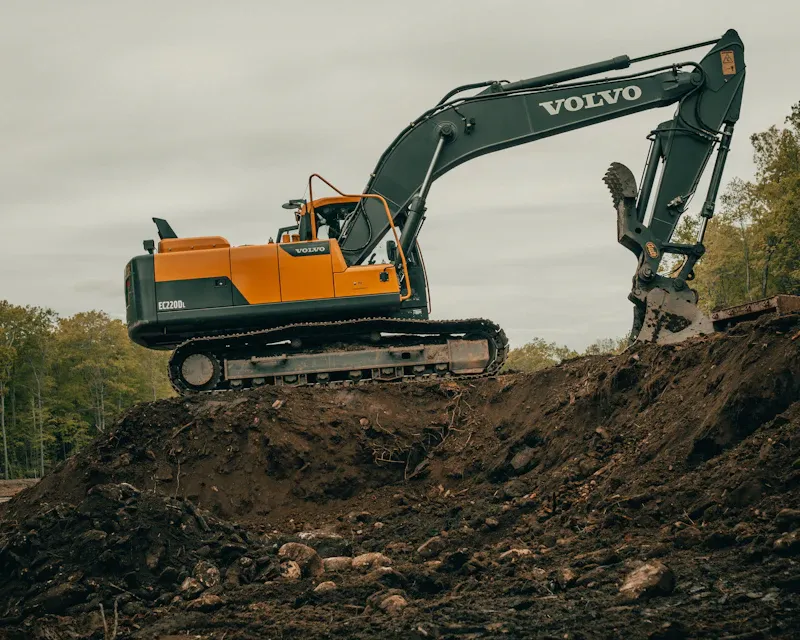
Excavators, dumpers, rollers, telehandlers and attachments for groundworks and civils.
Machinery and manufacturing
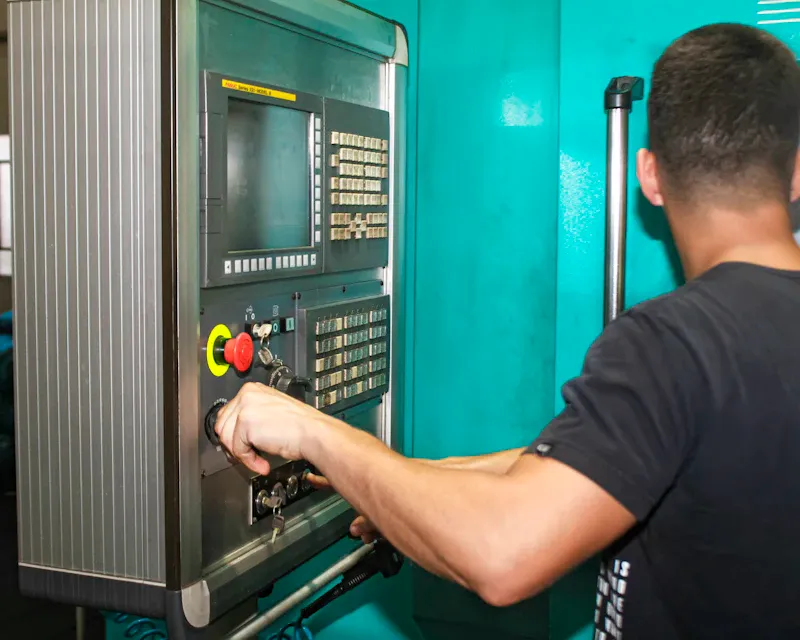
CNC machines, fabrication, packaging and production lines, including installation costs where the lender allows.
Agricultural machinery
Tractors, harvesters and farm equipment, with repayments that can be set around the farming year.
Office, IT and technology
Servers, telephone systems, printers and copiers, and other kit that is replaced every few years.
Catering and hospitality equipment
Commercial kitchens, coffee machines, refrigeration and EPOS, for cafés, restaurants and hotels.
Specialist and medical equipment
Dental chairs, imaging, salon and treatment equipment, often financed by specialist lenders.
Asset finance in figures
How UK businesses pay for their kit
Asset finance is not a last resort. It is one of the main ways UK businesses invest, and it is growing.
£40.3bn
of asset finance written for UK businesses and the public sector in 2025, a fifth year of growth
£24bn+
of that went to small and medium-sized businesses
1 in 3
pounds of UK investment in machinery, equipment and purchased software was financed by FLA members
+30%
growth in plant and machinery finance in August 2026, compared with a year earlier
Source: Finance & Leasing Association, new business figures for 2025 (published March 2026) and August 2026 (published October 2026).
Where to get it
Dealer, bank or broker?
There are three common routes. You can use more than one: compare the panel’s options, then use them to test the dealer’s offer.
- 1
Dealer finance
Arranged by the dealer or manufacturer at the point of sale. Quick and convenient, sometimes with subsidised rates on new kit, but it is one quote, and the dealer may be paid commission for arranging it.
- 2
Your bank
Many banks have an asset finance arm. Worth asking, especially if you have a long relationship, but they will only offer their own products and their appetite for used or specialist kit varies.
- 3
Comparing through a broker
One enquiry checked against 130+ lenders on our partner’s panel, including specialists in used plant, older vehicles, private sales and newer businesses. You can still compare the dealer’s offer against what comes back.
How the payments are built
Deposits, balloons and terms, explained
Deposit
Money paid at the start, or the value of a part-exchange. The more you put down, the less you borrow, so the monthly payment and the total interest both fall.
Balloon payment
A larger final payment that lowers the monthly instalments. Useful for kit that holds its value, but plan now for how you will pay it: from cash, by refinancing or by selling the asset.
Term
Usually somewhere between one and seven years. Match it to how long the asset will earn its keep. A longer term lowers the monthly cost but raises the total paid.
Some lenders can also shape repayments around your income. A seasonal business, such as a farm or a contractor with a quiet winter, may be able to pay more in busy months and less in quiet ones. Ask for it in the enquiry if it would help.
VAT and tax
How the agreement changes your VAT and tax
The type of agreement decides when you pay VAT and who claims the tax relief. For some businesses, that matters more than a small difference in the rate.
This is general information. Talk to your accountant before choosing, especially for large purchases near your year end.
Hire purchase
VAT on the full price is usually paid at the start, and a VAT-registered business can reclaim it on its next return. Your business is treated as the owner for tax once the asset is in use, so it can normally claim capital allowances, such as the £1 million Annual Investment Allowance or, for companies buying new main-rate plant, full expensing.
Leases
VAT is added to each rental, which spreads it across the agreement. On most leases the finance company, as owner, claims the capital allowances and you treat the rentals as a business cost. Some longer leases, known as long funding leases, work the other way round.
At the end
What happens when the agreement ends?
Read this part of the agreement before you sign, not in the final month.
Hire purchase
Pay the last instalment and any option-to-purchase fee, and the asset is yours. Some agreements end with a larger balloon payment, which you can pay, refinance or settle by selling the asset.
Finance lease
Carry on renting for a small annual or monthly fee, or sell the asset to a third party on the finance company’s behalf and receive most of the proceeds as a rebate of rentals.
Operating lease and contract hire
Hand the asset back. Check the return conditions, mileage or hours limits, and charges for damage beyond fair wear and tear before you sign.
Already own your kit?
Release cash with asset refinance
If the business owns vehicles or machinery outright, a lender can advance money against them while you keep using them. It is often quicker than an unsecured loan and can be used for any business purpose. Choose Release cash from assets I own on the form.
Questions
Asset finance questions
Need cash rather than kit? See all business finance.
Compare asset financeWhat is asset finance?
Asset finance lets a business get the use of a vehicle, machine or piece of equipment now and pay for it in instalments, instead of paying the full price up front. The main types are hire purchase, finance lease, operating lease and asset refinance.
What is the difference between hire purchase and leasing?
With hire purchase you own the asset once the final payment and any option fee are made. With a lease the finance company keeps ownership and you pay to use the asset for an agreed term. Hire purchase suits kit you want to keep; leasing suits kit you replace regularly. Our hire purchase vs finance lease guide goes into the VAT, tax and accounting differences.
Can I finance a used vehicle or machine?
Yes. Many lenders finance used vehicles, plant and machinery, and some specialise in older kit. The asset’s age at the end of the agreement, its condition and its resale value all affect what a lender will offer.
Can I buy from a private seller or at auction?
Often, yes. Some lenders on the panel fund private sales and auction purchases, usually with checks on the seller, the asset’s history and that there is no outstanding finance on it.
How much deposit do I need?
It varies by lender, asset and business. Some agreements need a deposit or a part-exchange; others need only the first rental in advance. A larger deposit lowers the monthly payment and can help a newer business get approved.
Is it easier to get asset finance than a business loan?
It can be, because the asset itself secures the agreement. If you cannot pay, the lender can recover the asset. That means some lenders will consider newer businesses or a weaker credit history for asset finance when they would not for an unsecured loan.
Can I claim VAT back on asset finance?
If your business is VAT registered, you can usually reclaim the VAT. On hire purchase, VAT is normally charged on the purchase price at the start. On a lease, VAT is added to each rental. Check the treatment for your business with your accountant.
Who claims capital allowances on asset finance?
On hire purchase, your business is treated as the owner for tax once the asset is in use, and can claim capital allowances such as the £1 million Annual Investment Allowance. On most leases the finance company claims them instead, though under a long funding lease the business using the asset does. Your accountant can confirm the treatment for your business.
What is asset refinance?
Asset refinance releases cash from vehicles or machinery you already own outright. A lender buys the asset or lends against it, and you repay it monthly while you keep using it. It is a way to free working capital without selling kit you need.
Can a new business get asset finance?
Some lenders on the panel consider businesses with less than a year of trading for asset finance, often with a deposit, a personal guarantee or a lower borrowing limit. The type and value of the asset make a difference.
How long does asset finance take?
Straightforward deals on new or nearly new vehicles can be approved within days. Larger, used or specialist assets take longer, because the lender may want an inspection, a valuation or more information about the seller.
Sources
- Finance & Leasing Association: asset finance new business grew by 1% in 2025
- Finance & Leasing Association: asset finance new business grew by 10% in August 2026
- GOV.UK: Capital allowances when buying on hire purchase or leasing
- GOV.UK: Annual Investment Allowance
- GOV.UK: Check if you can claim full expensing
- HMRC VAT Notice 700: hire purchase and leasing
- FCA register: Halo Corporate Finance Ltd (FRN 726655)
Written by the Compare Advantage team, Chorley. Facts checked against the sources above on 4 November 2026. This page is general information, not financial advice.
Compare Advantage Ltd (FRN 1028452, company no. 14289362) is an Introducer Appointed Representative of Halo Corporate Finance Ltd (FRN 726655). We introduce business finance enquiries to Halo. We are not a lender and do not give financial advice. If you take out finance, the lender may pay commission to Halo Corporate Finance, and Halo may pay us a fee for the introduction. Finance is subject to status and is available to UK businesses only.