AI receptionist for roofers
An AI Receptionist
for Roofers
What we do
Compare Advantage is a free comparison service. Tell us how your roofing business takes calls, and we match you with UK providers of AI receptionists that answer while you are up a ladder, sort leaks from planned work and book inspections.
- Answers when you are up a ladder
- Sorts storm calls by how bad the damage is
- Takes the details insurers and surveys need
Prefer to talk? Call 0330 057 7175
- UK providersMatched to your business
- One short formInstead of a demo per provider
- You set the rulesAnd a person stays in charge
- Open about AIIt says it is an AI assistant
- Free to compareNo obligation to go ahead
Compare before you commit
You cannot answer the phone on a pitched roof
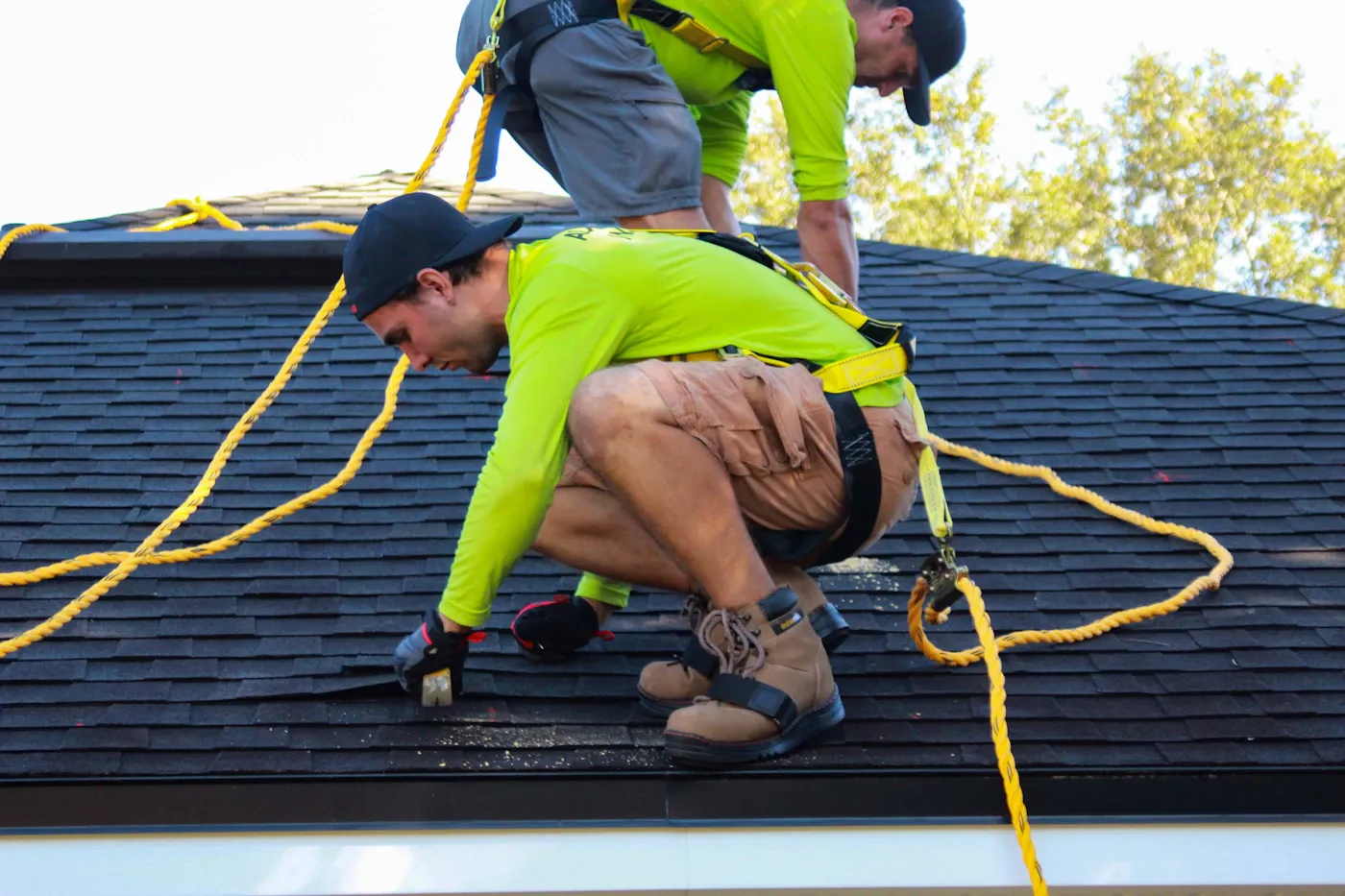
A roofer working at height should not be reaching for a phone. But the calls do not stop, and after a storm they come all at once. An AI receptionist answers every one, finds out whether water is coming in, and gets the details down so you can decide where to go first. Compare providers on how they sort calls and how they cope with a surge.
- 1
Tell us once
A minute on the form: what you need help with, your business and how busy the phones are.
- 2
We match providers
Your request goes to UK AI agent providers that suit your size and the way you work.
- 3
You choose
Compare what they offer, try it, and only go ahead if it fits. There is no obligation.
What to compare
- How it copes with a storm surge, when forty calls arrive in a morning and every caller thinks theirs is the worst.
- How it sorts urgency. Water coming in now, damage but dry, and quotes for later should land in three different places.
- Whether callers can send photos by a text link, so you can judge the damage from the ground before you drive out.
- What it says about safety. It should tell callers not to go up on the roof or into a loft with water near the wiring.
- How it describes your business to callers worried about doorstep traders, in wording you approve.
The morning after a storm
Every call sorted into one of three piles
You set the questions. The agent asks them on every call and sends the job to the right pile, so you see the leaks first and the quotes later.
Water coming in now
- Where is the water, and is it near lights or sockets?
- Can they catch it with a bucket and move belongings?
- Is anyone vulnerable in the house?
- Urgent alert to you with the address
Damage, but dry
- Slipped or missing tiles, flashing, guttering, a damaged chimney
- Photos by text if they can take them safely from the ground
- Insurance claim or paying themselves?
- Booked for an inspection in date order
Quotes and planned work
- New roof, flat roof, fascias, rooflights, moss and repairs
- House type, roof type and rough age
- Timing: this year or next spring
- Booked for a survey when the rush has passed
One line it says every time
“Please don’t go up on the roof or a ladder to look.”
Falls from height are the biggest single cause of deaths at work in Great Britain: 31 of the 126 worker deaths in 2025/26, on the Health and Safety Executive’s provisional figures. That is among people trained to work there. A homeowner on a wet ladder in a gale is at far greater risk. The agent asks callers to look from the ground or a window, to keep away from water near lights and sockets, and to wait for you.
Storm damage claims
The details insurers ask for, taken on the first call
Many storm repairs end up as insurance claims. The homeowner will be asked the same questions by their insurer, and often by you. If the agent takes them down on the first call, your report is quicker to write and the customer only explains once.
The agent should never say whether a claim will be paid, or suggest wording for the claim. That is between the customer and their insurer.
What it can collect
- The date and time the damage happened, or was first seen
- What happened: wind, a fallen tree, heavy rain, snow
- Which parts of the roof and the house are affected
- Whether they have reported it to their insurer, and the claim number
- Photos from the ground, sent by text link
Before you quote
Four things worth knowing before you go up
Asbestos
HSE advises assuming asbestos is present in any building built or refurbished before 2000, and asbestos cement roof sheets are a common example. If a caller mentions corrugated sheeting on a garage or outbuilding, the agent notes it for the survey.
Bats
Bats and their roosts are protected by law, even when the bats are away, and a licence can be needed for re-roofing that needs no planning permission. If a caller mentions bats, the agent flags it, because it can change when and how work is done.
Listed buildings and conservation areas
Work on a listed building usually needs consent, and conservation areas can have extra rules. The agent asks the question so you know before you quote.
Flats and shared roofs
Leaseholders often need the freeholder or managing agent to agree. The agent takes both contacts.
“Was that you who knocked?”
Callers have heard about doorstep roofers. Answer the worry.
After a storm, some traders knock on doors offering quick repairs. Homeowners know this, so the first call to a genuine roofer often carries a question underneath it: can I trust you? A clear, calm answer helps.
Contracts agreed at the customer’s home usually come with a 14-day right to cancel under the Consumer Contracts Regulations, and the customer must be told about it in writing. The agent can say that you put every quote and your terms in writing.
Who you are
Your trading name, how long you have been going, and the area you cover.
How you work
Inspection first, written quote second, no pressure to sign on the day.
How to check
Any trade body membership or guarantee scheme you belong to, and where to look it up.
Questions
AI receptionists for roofers: your questions
Also see builders for quote-led work, or answering service or AI receptionist if you are weighing AI against a person.
Compare AI receptionistsWhat does an AI receptionist do for a roofer?
It answers your phone while you are working at height. It asks whether water is coming in, what is damaged and where the property is, sorts the call by urgency and sends you a summary. It can book inspections and quotes into your diary.
Can it cope after a storm?
That is when it helps most. An AI receptionist can answer many calls at once, so nobody hears an engaged tone. You set the rules for which calls reach you straight away and which are booked in order.
Should it tell callers to check their roof?
Only from the ground or a window, and only if it is safe. The agent should tell callers not to climb onto a roof or a ladder in bad weather, and to keep away from water near electrics.
Can it help with insurance claims?
It can collect the details insurers usually ask for, such as the date of the damage, what caused it and a claim number, and pass them to you. It should not say whether a claim will be paid.
Will it give prices?
Only what you allow, such as your inspection fee or that quotes are free. Roofing prices depend on what you find up there, so everything else stays with you.
Callers worry about cowboy roofers. How can it help?
It can explain who you are, how long you have been trading, any trade body membership and how you put quotes in writing, in wording you approve. If someone says a trader knocked on their door, it can confirm whether that was you.
What about asbestos or bats?
The agent asks if the caller knows of either and notes it for you. Both can change how a job is done, and you need to know before you quote.
Can callers send photos?
Some services send the caller a text with an upload link. Photos taken safely from the ground help you decide how urgent a job is.
Will callers know it is an AI?
They should. A short line in the greeting is enough. People with water coming through the ceiling want it written down fast, and an honest greeting does not slow that down.
Can it only answer when I am up on a roof?
Most services can ring you first and only pick up if you do not answer, or cover only working hours or nights. You decide.
Sources
- HSE: Work-related fatal injuries in Great Britain
- HSE: Work at height, the law
- HSE: Is asbestos present?
- GOV.UK: Bats, advice for planning decisions
- Planning Portal: Roofs
- legislation.gov.uk: Consumer Contracts Regulations 2013
- ICO: Right to be informed (UK GDPR)
Written by the Compare Advantage team, Chorley. Facts checked against the sources above on 5 November 2026. This page is general information, not legal advice.
Compare Advantage is a free comparison and introduction service. We pass your details to suitable AI agent providers so they can contact you about your request, and providers may pay us for the introduction. It costs you nothing to compare.